
What Ever Happened to Local Abalone?
Posted on August 25, 2026 by Local Fish
Not too long ago, Abalone was synonymous with San Diego seafood. For generations, popping abalone off the ocean floor was a rite of passage for locals. They’d be sliced, pounded, fried and enjoyed for their sweet and tender meat. Restaurants served abalone steaks and commercial fishermen landed countless pounds of local abalone along the California coastline. Here in San Diego, black and green abalone were among the species harvested in the early days of the fishery, while pink, white and red abalone also became part of Southern California’s commercial catch. These days you could be fined up to $40,000.00 and face up to a year in jail for taking abalone from the ocean floor. So what happened?
Southern California’s Abalone began to disappear.
Heavy harvesting began to take a toll on the many species of abalone we have here and populations began to decline rapidly, but that wasn’t all. Abalone were hit by disease, changing ocean conditions, and other environmental pressures.
In 1997, California closed all commercial abalone fishing statewide and ended recreational abalone fishing south of San Francisco. These measures were taken to help aid the population’s recovery, but it was a major blow to those who enjoyed eating it for generations. For Southern Californians a food that was once a common part of everyday coastal life essentially disappeared from the local wild catch. These days, many people have never even tasted it.
But You Could Still Dive for Abalone Up North
For decades after the 1997 closure there was one major exception: You could still harvest a limited number of abalone from North of San Francisco. Northern California maintained a highly-regulated recreational fishery for the red abalone. Unlike the mix of abalone species historically harvested in Southern California, this surviving northern fishery was specifically for red abalone. Divers and rock pickers had to follow strict guidelines governing where, when, how, and how many abalone they could legally take.
But then Northern California’s abalone ran into a very different and very dire problem. The kelp began to disappear.
When the Kelp Went Away, So Did the Abalone
Beginning around 2014, a marine heatwave (not unlike the one we are in now) helped trigger a massive collapse of Northern California’s kelp forests.
For red abalone, that was devastating. Kelp is their primary food source. At the same time, exploding populations of purple sea urchins put even more pressure on the remaining kelp.
Red abalone populations declined dramatically after the 2014 collapse. The state closed the recreational red abalone fishery in 2018.
The closure was supposed to be just temporary, but in 2025 it was extended another ten years through at least April 1, 2036.
Why Don’t Abalone Just Bounce Back?
Part of the problem is that abalone are particularly vulnerable to population collapse.
Abalone grow slowly. Their reproductive success can be inconsistent as they need enough other abalone nearby to successfully reproduce. Once populations dwindle, leaving the remaining animals alone doesn’t necessarily mean they’ll recover quickly.
Some Southern California populations have been struggling for decades. White abalone became the first marine invertebrate listed as endangered under the federal Endangered Species Act in 2001, and scientists are now breeding them in captivity and releasing their offspring into the wild in an effort to rebuild the population.
And Then There’s Poaching
The scarcity of wild abalone has also made them extremely valuable, creating another challenge for recovery: poaching.
California has documented illegal take ranging from individuals exceeding recreational limits to organized commercial poaching. Even after commercial fishing was prohibited, the demand for abalone remained.
For an animal that grows slowly and already exists at very low densities in some areas, illegally removing even more animals can make recovery that much harder.
So Where Does California Abalone Come From Today?
Here’s the good news for those who loved abalone or those who are now curious to try it after reading this article. You can still eat California-grown abalone. You just aren’t eating wild-caught abalone.
Aquaculture operations are raising native red abalone for restaurants and consumers, including The Cultured Abalone Farm on the Gaviota Coast near Santa Barbara and Monterey Abalone Company, which grows abalone in cages suspended beneath Monterey’s Commercial Wharf.
At The Cultured Abalone Farm, red abalone are raised through their entire life cycle, beginning in an on-site hatchery. The farm uses fresh seawater and seaweed from the waters off Santa Barbara and sells its abalone primarily to restaurants along the California coast.
These farms are doing something that would have seemed unusual during the heyday of California’s wild abalone fishery: bringing a once abundant local delicacy back to the dinner table without harvesting the struggling wild population.
Some aquaculture operations are even participating in restoration work, using the knowledge and infrastructure developed to raise abalone for food to help scientists working to restore them in the wild.
Could We Ever Fish for Abalone Again?
Maybe. But probably not anytime soon.
California wildlife officials say they don’t currently have an estimate for when the recreational red abalone fishery will reopen. The 2036 date isn’t a promised reopening date. It’s the earliest the current closure expires, and the health of the population will ultimately determine what happens next.
That makes the story of California abalone an unusual one.
A seafood that was once pulled directly from our coastline became so depleted that an entire generation of Southern Californians has grown up without a legal wild abalone fishery.
Yet abalone hasn’t completely disappeared from California tables. Farms are keeping the tradition alive while scientists work on the much harder task of bringing wild populations back.
Maybe someday we’ll see them return in numbers large enough to support fishing again.
For now, California abalone is still local. It just comes from a farm instead of the rocks.
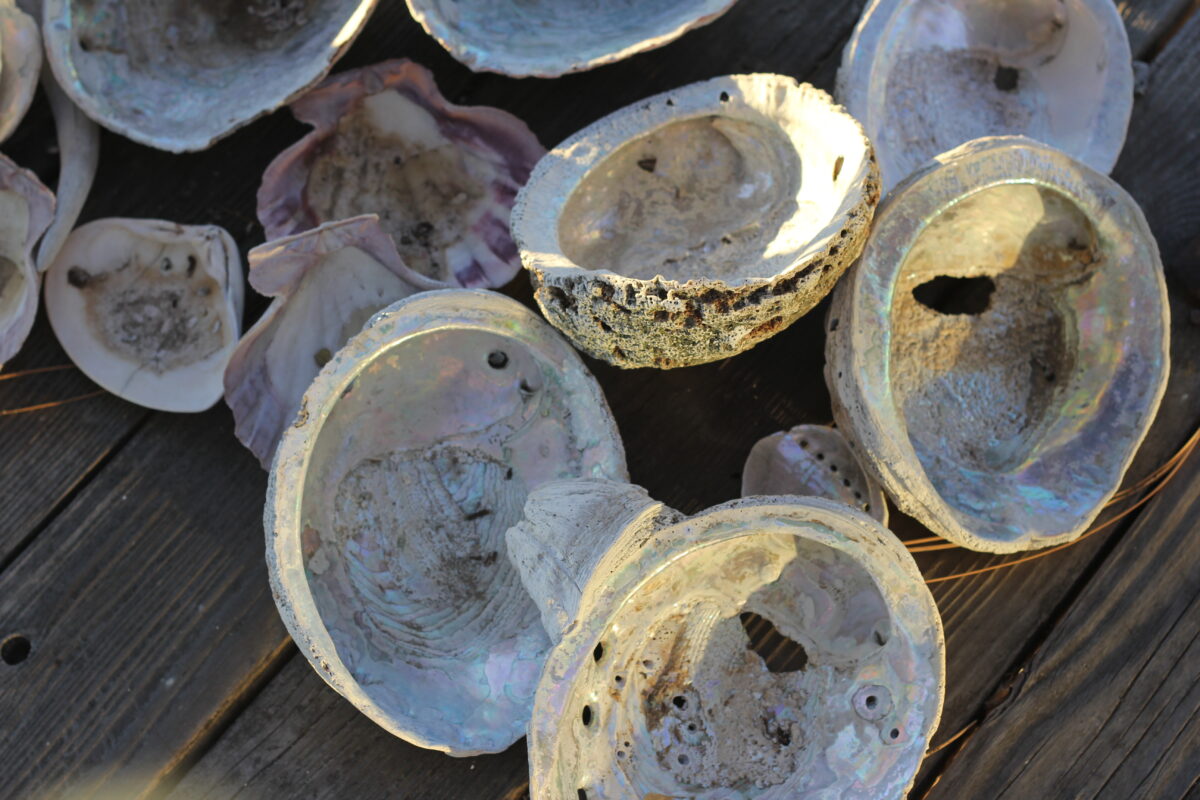
Old abalone shells